How Conventional Septic Systems Work
If your septic system is not working, we can remedy the problem
What Is a Conventional Septic System?
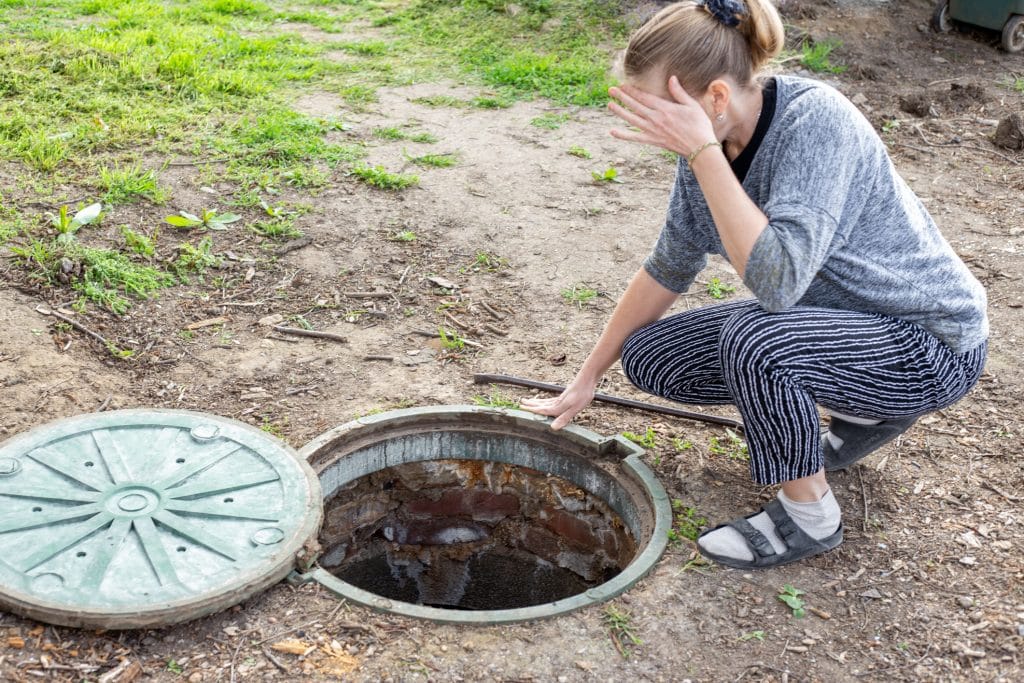
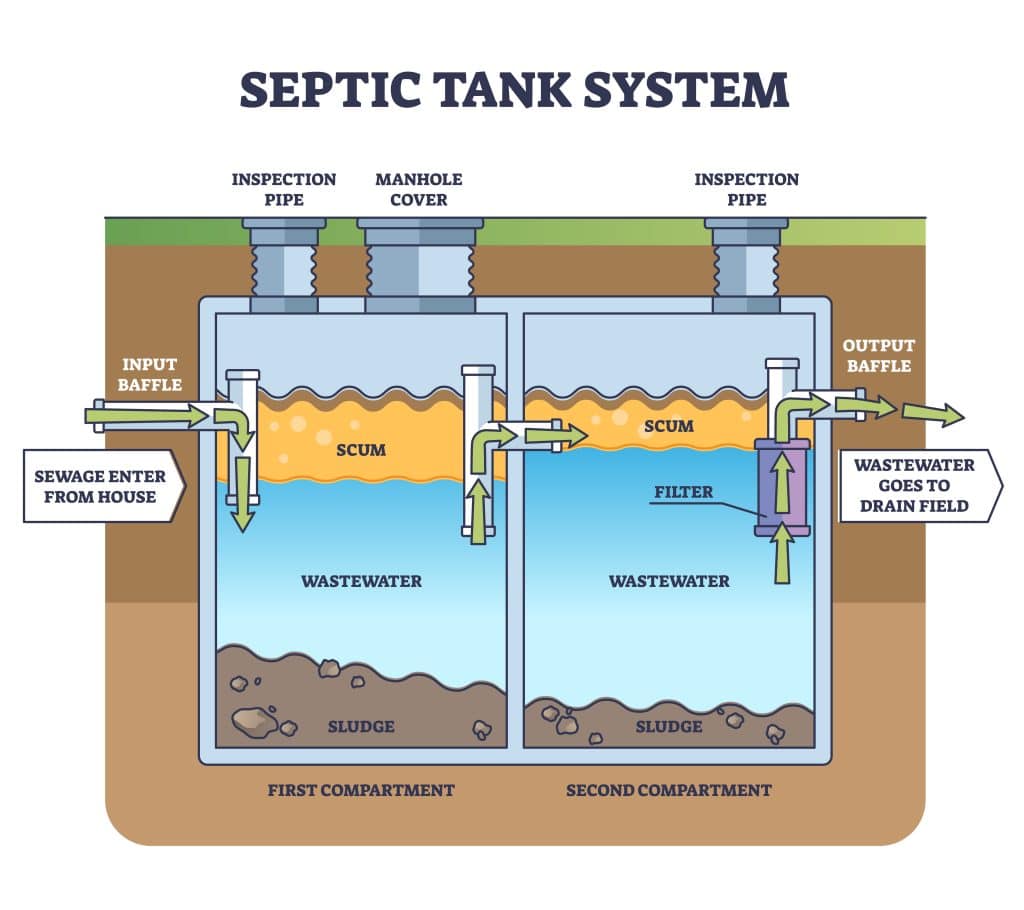
The purpose of a standard septic system is to recycle and purify the water component of sewage on your property where the sewage originates. A conventional septic system has three main components.
The Septic Tank
The septic tank receives all the water and waste from your home or business, where solids naturally separate from liquids. Heavy solids sink to the bottom, forming sludge, while lighter materials, such as oils and fats, float to the top as scum. The liquid in between, called effluent, moves on to the next stage. At the same time, the accumulated solids must be pumped out periodically and disposed of off-site, typically at a municipal wastewater treatment facility.
The Disposal Field
Also known as a leach field, the disposal field distributes the effluent through a series of pipes buried in the soil. The soil acts as a natural filter, absorbing the water and purifying it as it travels through. This is where most septic systems fail if the field becomes clogged, saturated, or poorly maintained.
The Soil
The surrounding soil completes the treatment process. Microbes in the soil break down remaining organic matter and recycle water safely back into the environment. Proper soil absorption is essential for a healthy septic system.
Early Indicators
Common Signs Your Septic System Is Failing
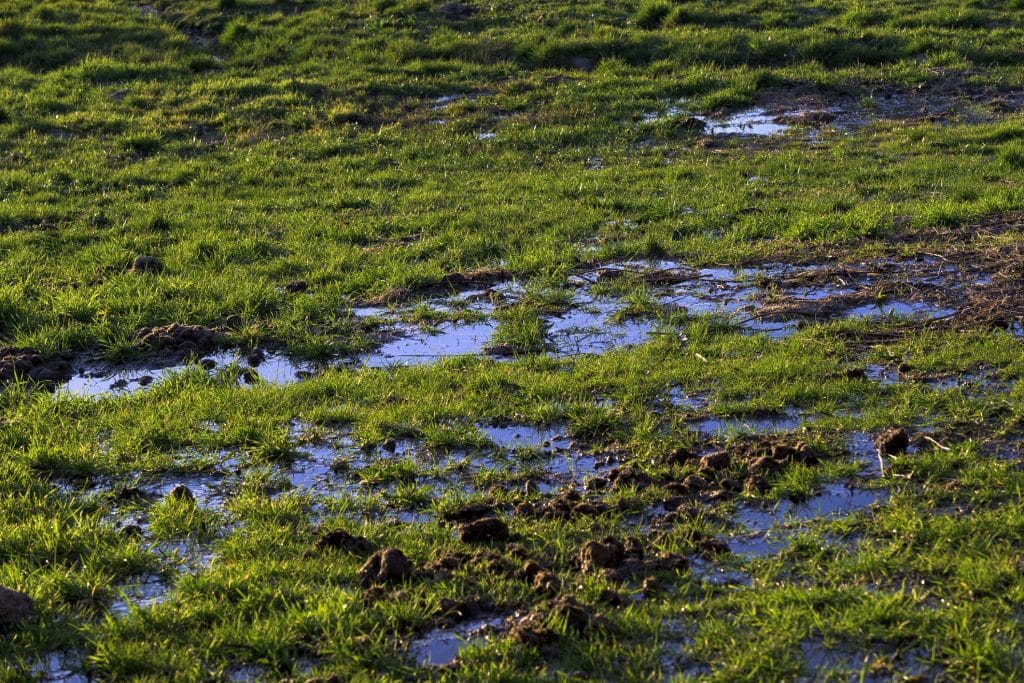
- Soft, damp soil over the disposal field or septic tank.
- Wet spots over the leach field or septic tank.
- Slow-draining toilets or toilets that do not drain at all when flushed.
- Sewage is coming out of the shower or tub drain when the toilet is flushed.
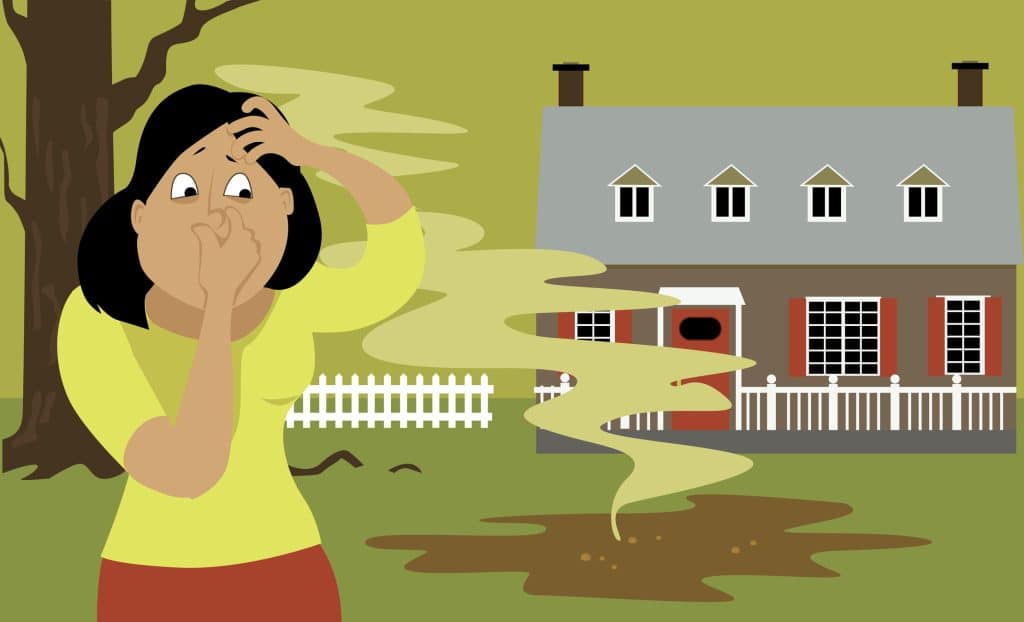
- Foul, unpleasant odors often accompany most failure symptoms.
Drain Field Failure
Common Causes of Septic System Failure
Septic systems are critical for safely processing wastewater from your home or business. One of the biggest challenges is drain field failure. Over time, a slimy layer of bacteria, known as a biomat, builds up in the soil, blocking water from properly draining into the ground and preventing the proper absorption of wastewater. This causes water to pool in the drain field, damaging the system and leading to expensive repairs. According to the EPA, biomat is responsible for 95% of septic system failures.
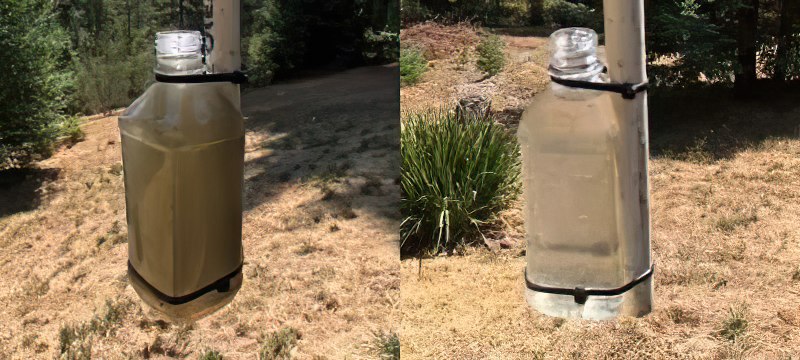
Before and after installation of Pirana System
How the Pirana® Solves Septic Problems
The Pirana system revolutionizes septic care by treating wastewater onsite and reducing the buildup of biomat. Unlike conventional systems, Pirana not only processes contaminated water but also safely recycles the water and organic material, helping your system last longer by maintaining a proper bacterial balance and improving water flow. Pirana keeps your drain field functional and reduces the risk of costly failures.
Benefits of Installing a Pirana® System
- Reduces the risk of drain field clogging
- Minimizes maintenance and repair costs
- Remidiates failed septic systems
- Environmentally sustainable solution
- Recycles water safely onsite
Take Action Now
Don’t Wait for a Full Failure
If your septic system is backing up, draining slowly, or showing any signs of failure, it’s not too late to prevent further damage. The Pirana system can help remediate proper function, protect your drain field, and prevent costly repairs. Contact us today to get your septic system back on track.